- Get link
- X
- Other Apps
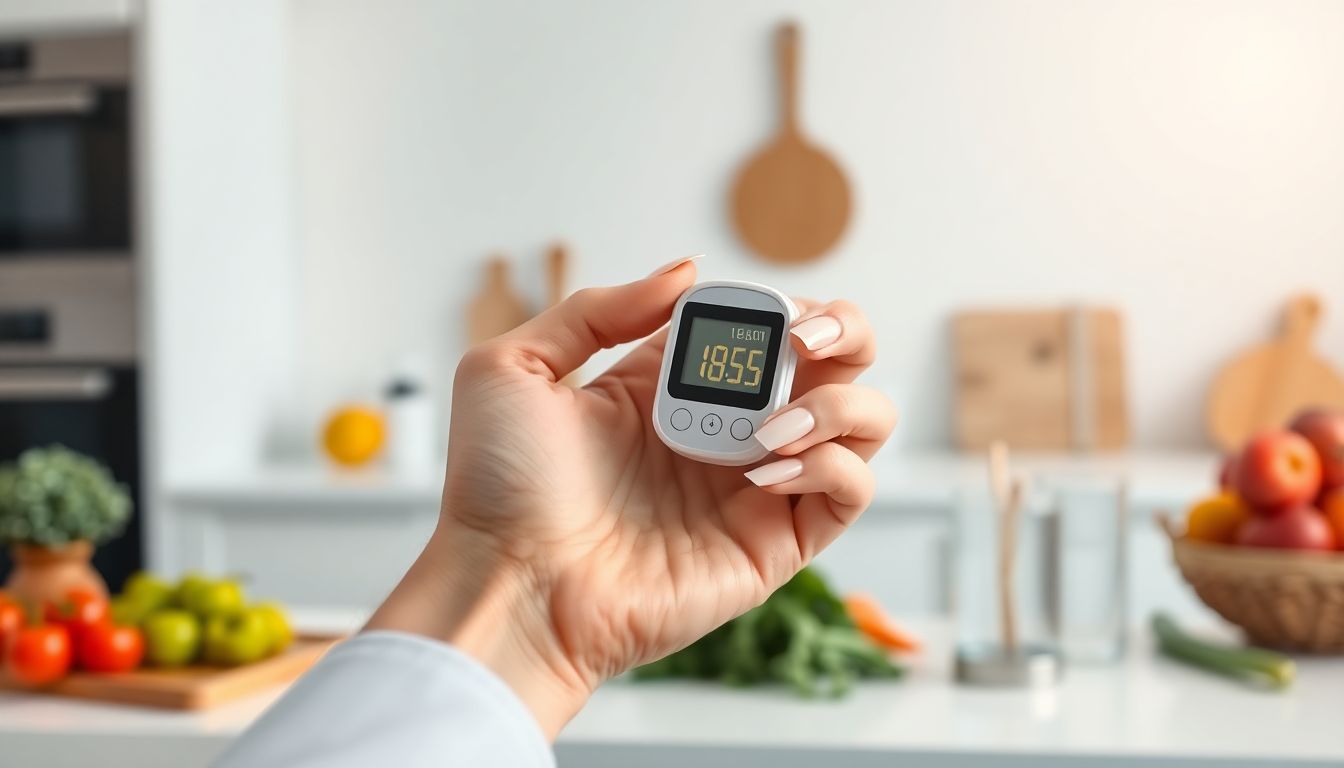
Ever felt like your body is a sugar rollercoaster? Maybe you just got diagnosed with diabetes, or you're just tired of the daily grind of managing it. It's a tough gig. Diabetes affects millions, and it can seriously mess with your life. But don't lose hope! This guide will show you how to take charge. We'll cover everything from understanding diabetes to rocking your diet and exercise. You can live a full and healthy life, even with diabetes.
Understanding Diabetes: Types, Causes, and Risk Factors
It's important to understand the disease if you want to manage it. Let's explore diabetes to learn more. What exactly is it, anyway?
What is Diabetes?
Diabetes is all about blood sugar. Your body needs sugar (glucose) for energy. Insulin, a hormone, helps sugar get from your blood into your cells. With diabetes, either you don't make enough insulin, or your body can't use it well. Sugar builds up in your blood. This is called hyperglycemia. High blood sugar can harm your body over time.
Types of Diabetes: Type 1, Type 2, and Gestational Diabetes
There are a few kinds of diabetes. Each has its own causes.
- Type 1: Your body attacks the cells that make insulin. You need to take insulin every day.
- Type 2: Your body doesn't use insulin well (insulin resistance). Later, you might not make enough insulin.
- Gestational Diabetes: This happens during pregnancy. Usually, it disappears after the baby is born.
Risk Factors and Prevention
Some things make you more likely to get diabetes.
- Genetics: Diabetes can run in families.
- Lifestyle: Being overweight, not active, and eating poorly raises your risk.
- Age and Ethnicity: Older adults and certain ethnic groups are at higher risk.
You can't change your genes, but you can change your lifestyle. Eating healthy, exercising, and staying at a healthy weight can prevent type 2 diabetes.
Monitoring Your Blood Sugar: The Cornerstone of Diabetes Management
Checking your blood sugar is vital. It's how you know if your treatment is working. Blood sugar monitoring is key to staying healthy.
Why Blood Sugar Monitoring Matters
Monitoring helps you make smart choices. It tells you how food, exercise, and medicine affect your blood sugar. Imagine you're about to go for a run. Checking your blood sugar beforehand can prevent it from dropping too low, which is also known as hypoglycemia.
How to Check Your Blood Sugar: Methods and Devices
There are a couple ways to check your blood sugar.
- Blood Glucose Meters: You prick your finger and put a drop of blood on a test strip. The meter tells you your blood sugar level.
- Wash your hands.
- Insert a test strip into the meter.
- Prick your finger with a lancet.
- Apply blood to the test strip.
- Read the result.
- Continuous Glucose Monitoring (CGM) Systems: A small sensor under your skin checks your blood sugar every few minutes. CGMs can alert you if your blood sugar is going too high or too low.
Understanding Your Blood Sugar Targets
Your doctor will help you set blood sugar goals. These goals depend on your age, health, and type of diabetes. Here are some general targets:
- Fasting: 80-130 mg/dL
- Before Meals: 80-130 mg/dL
- After Meals (1-2 hours): Less than 180 mg/dL
- Bedtime: 100-140 mg/dL
The Power of Diet: Nutritional Strategies for Diabetes Control
Food has a big impact on blood sugar. Eating right is key to managing diabetes.
Creating a Diabetes-Friendly Meal Plan
Focus on balanced meals. Fill your plate with:
- Non-starchy vegetables (broccoli, spinach, salad).
- Lean protein (chicken, fish, beans).
- Whole grains (brown rice, quinoa, whole-wheat bread).
Pay attention to portion sizes. Eat slowly and mindfully.
Foods to Embrace and Limit
Some foods are your friends. Others, not so much.
- Embrace: High-fiber foods (oats, lentils, apples), healthy fats (avocado, nuts, olive oil), lean proteins.
- Limit: Sugary drinks (soda, juice), processed foods (chips, candy), foods high in saturated fat (red meat, butter).
Instead of soda, try water with a slice of lemon. Small changes can have big benefits.
The Glycemic Index and Glycemic Load
The Glycemic Index (GI) measures how quickly a food raises your blood sugar. Glycemic Load (GL) considers both the GI and the amount of carbs in a serving. Choose foods with low GI and GL to keep your blood sugar steady.
Exercise and Physical Activity: A Vital Component of Diabetes Management
Exercise does more than burn calories. It helps your body use insulin better. Get moving for better blood sugar control.
Benefits of Exercise for People with Diabetes
Exercise makes your body more sensitive to insulin. It lowers blood sugar and helps you lose weight. Studies show that exercise can reduce the risk of heart disease in people with diabetes.
Types of Exercise: Cardio, Strength Training, and Flexibility
Mix it up for best results.
- Cardio: Walking, running, swimming, biking. Aim for at least 150 minutes per week.
- Strength Training: Lift weights or use your own body weight. Do this at least two times per week.
- Flexibility: Stretch or do yoga to improve your range of motion.
Safe Exercise Practices for People with Diabetes
Be smart about exercise.
- Check your blood sugar before and after working out.
- Stay hydrated.
- Wear good shoes.
- Carry a snack in case your blood sugar drops too low.
Medication and Insulin Therapy: When and How to Use Them
Sometimes, diet and exercise aren't enough. You might need medication to manage your diabetes. Let's explore available options.
Oral Medications for Type 2 Diabetes
There are several types of pills for type 2 diabetes.
- Metformin: Helps your body use insulin better and reduces glucose production in the liver.
- Sulfonylureas: Stimulate your pancreas to release more insulin.
- DPP-4 Inhibitors: Help increase insulin release and decrease glucose production.
- SGLT2 Inhibitors: Help your kidneys remove glucose from your body through urine.
Insulin Therapy: Types, Administration, and Storage
If your body doesn't make enough insulin, you'll need to take it.
- Types of Insulin:
- Rapid-acting: Works quickly, used before meals.
- Short-acting: Also used before meals, but takes longer to work.
- Intermediate-acting: Covers insulin needs for about half a day.
- Long-acting: Provides a steady level of insulin for 24 hours or more.
- Administration: You can inject insulin with a syringe or pen. Insulin pumps deliver a steady stream of insulin throughout the day.
- Storage: Keep insulin in the fridge until you open it. Once opened, it can be stored at room temperature for a few weeks.
Working with Your Healthcare Team
You don't have to do this alone. Your doctor, diabetes educator, and other healthcare providers are there to help. Get regular check-ups. Have your A1C tested to see your average blood sugar over the past few months. Work with your team to adjust your medication or insulin as needed.
Living Well with Diabetes: Tips for a Healthy and Fulfilling Life
Diabetes is a challenge, but it doesn't have to run your life. Small changes can make a huge difference in your overall health. Here are a few helpful tips.
Managing Stress and Emotional Well-being
Stress can raise blood sugar. Find healthy ways to cope. Try meditation, yoga, or deep breathing. Talk to friends, family, or a therapist.
Preventing and Managing Complications
High blood sugar can lead to problems. Take care of your feet. Get regular eye exams. Keep your kidneys healthy. Protect your heart. Early detection and treatment can prevent serious complications.
Traveling with Diabetes
Plan ahead for smooth travels. Pack extra medication and supplies. Keep snacks on hand. Wear a medical ID bracelet.
Conclusion
Managing diabetes takes work, but you can do it. Understand your condition. Monitor your blood sugar. Eat a healthy diet. Exercise regularly. Take your medication as prescribed. Manage stress. With the right tools and support, you can live a long, healthy, and fulfilling life with diabetes.

Disclaimer: This article is for informational purposes only and is not a substitute for professional medical advice. Always consult your healthcare provider before making significant changes to your diet or lifestyle.
Tags: high blood pressure control, high blood pressure and diabetes, diabetes and high blood pressure, how high blood sugar increases your blood pressure, can blood sugar levels affect blood pressure?, high blood sugar levels, how diabetes can cause high blood pressure, how can diabetes also cause high blood pressure, the link between diabetes and high blood pressure, diabetes and high blood pressure: what causes it?, does high sugar increase blood pressure?, diabetes and high blood pressure: what are the links?, diabetes control
Comments
Post a Comment